
Why It Got So Hard to Fix Your Own Car
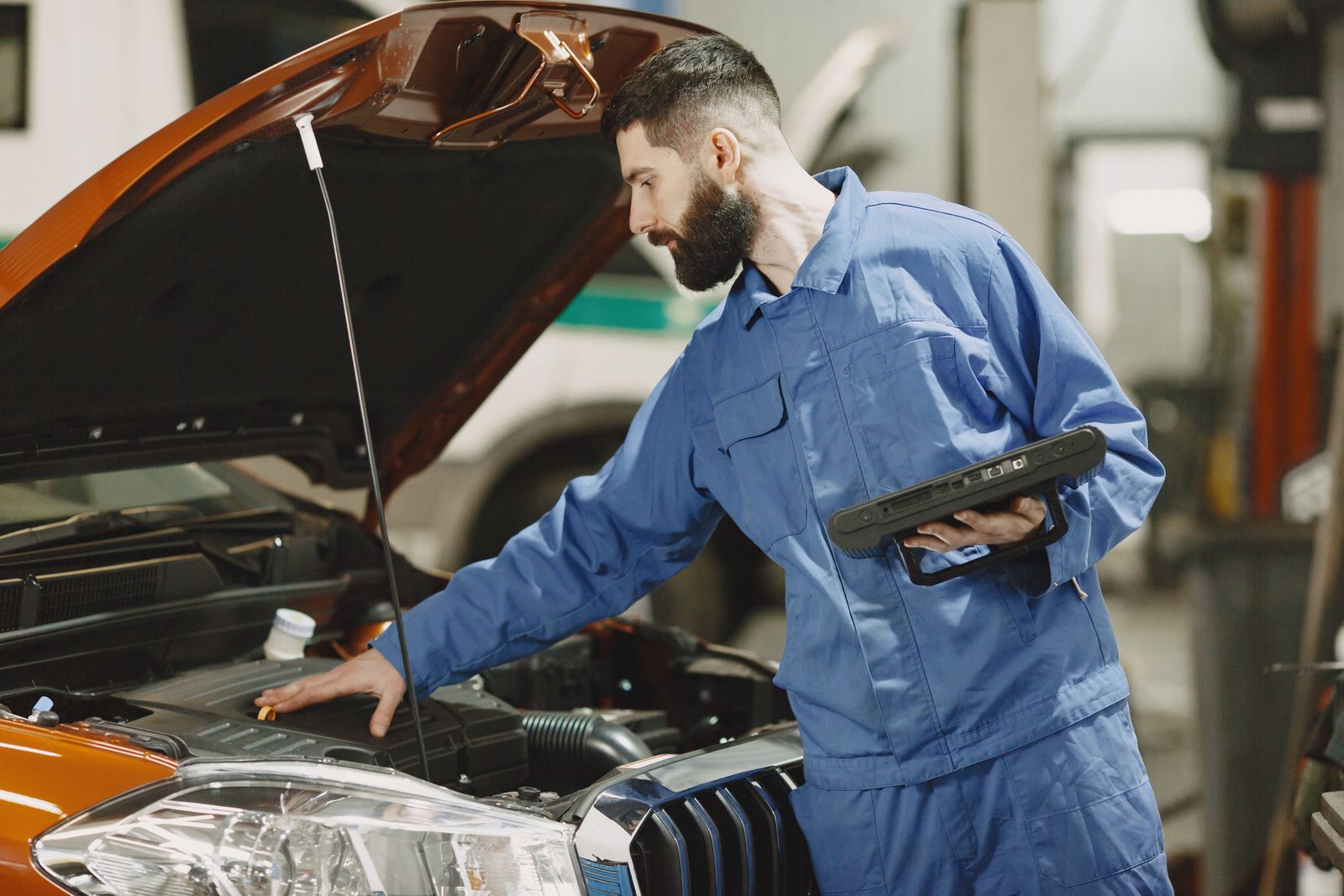
Twenty years ago, fixing your car meant popping the hood, maybe borrowing a Chilton's manual, and getting your hands dirty. Today, a huge share of repairs — even routine ones like replacing a sensor or recalibrating a camera after a windshield swap — require a laptop, manufacturer-specific software, and sometimes a secure login only dealers have. As cars became rolling computers, automakers quietly became gatekeepers to their own products.
Independent repair shops, which handle roughly 70% of vehicle service in the U.S., found themselves locked out of diagnostic codes, telematics data, and software updates unless they paid steep licensing fees — or couldn't get access at all. Owners who wanted to fix their own cars ran into the same wall: parts "paired" to a single vehicle's computer, warnings that aftermarket parts would void warranties, and repair manuals that assumed you already had dealer-level system access. The result was fewer choices, longer wait times at dealerships, and higher prices — exactly the kind of captive market that antitrust law usually tries to prevent.
The Industry Pushback: Ford, GM, and Penske Ask Trump to Say No
Right-to-repair legislation has been building bipartisan momentum for years, most notably the REPAIR Act (H.R. 1566/S. 1379), which would require automakers to give independent shops and owners the same access to repair data and tools that dealers get. Polling has found the bill supported by roughly 85% of Trump voters and 86% of Democratic voters — rare common ground in a divided Congress.
That momentum ran into a wall in 2025. Ford CEO Jim Farley and GM's leadership met with President Trump to argue against the REPAIR Act, and Penske Corporation chairman Roger Penske — whose Penske Automotive Group operates more than 350 dealership and service locations — joined them, reportedly asking Trump to veto or publicly oppose any right-to-repair bill that reached his desk. Automakers framed their objections around cybersecurity and safety, arguing that opening up vehicle software and telematics to third parties creates risk. Critics countered that the real risk automakers were worried about was competition: every repair steered back to a dealership is revenue an independent shop or DIY owner doesn't get to keep.
Trump's "Freedom to Fix" Order: What Actually Changed
On June 29, 2026, President Trump signed a presidential memorandum titled "Lowering the Cost of Living by Promoting the Freedom to Fix." It's worth being precise about what this is: a memorandum directing federal agencies to act, not a law passed by Congress. But its effect was the opposite of what automakers had pushed for — it leaned toward more repair access, not less.
The memo directed the EPA to act within 30 days, and the agency has since:
- Issued guidance clarifying which emissions-related repairs individuals can legally perform themselves under the Clean Air Act — removing ambiguity that had a chilling effect on DIY repairs.
- Directed enforcement staff to deprioritize civil tampering actions against owners who, in good faith, repair their own vehicles back to original condition.
- Recognized SEMA's Certified Emissions (SC-E) program as an alternative certification path for aftermarket parts, breaking the OEM's exclusive gatekeeping role over what counts as a "legal" replacement part.
- Required manufacturers to give independent owners and shops the same access to service and repair information — including for diesel exhaust fluid and other emissions-control systems — that they already give their own branded service centers.
- Barred manufacturers from requiring their own branded parts for emissions-system repairs, opening the door to generic, equivalent aftermarket parts.
Separately, and worth tracking on its own: the House Energy and Commerce Committee advanced the Motor Vehicle Modernization Act of 2026 by a 48–1 vote in May, which would codify existing repair-information sharing agreements into law and name the FTC as enforcer. That's actual legislation, still working its way through Congress — the presidential memo and this bill are two different tracks moving in a similar direction.
What This Does — and Doesn't — Fix
The Freedom to Fix memo is real progress, but it's narrower than a full right-to-repair law. It's focused specifically on emissions-related systems and EPA enforcement posture — it doesn't force automakers to open up telematics data, infotainment systems, or every proprietary diagnostic tool the way the REPAIR Act would. A memorandum also carries less permanence than a statute: a future administration could reverse EPA's guidance far more easily than Congress could repeal a law. That's exactly why the Motor Vehicle Modernization Act's progress in the House matters — it's the version of this fight that, if passed, would be much harder to undo.
What You Can Do Right Now
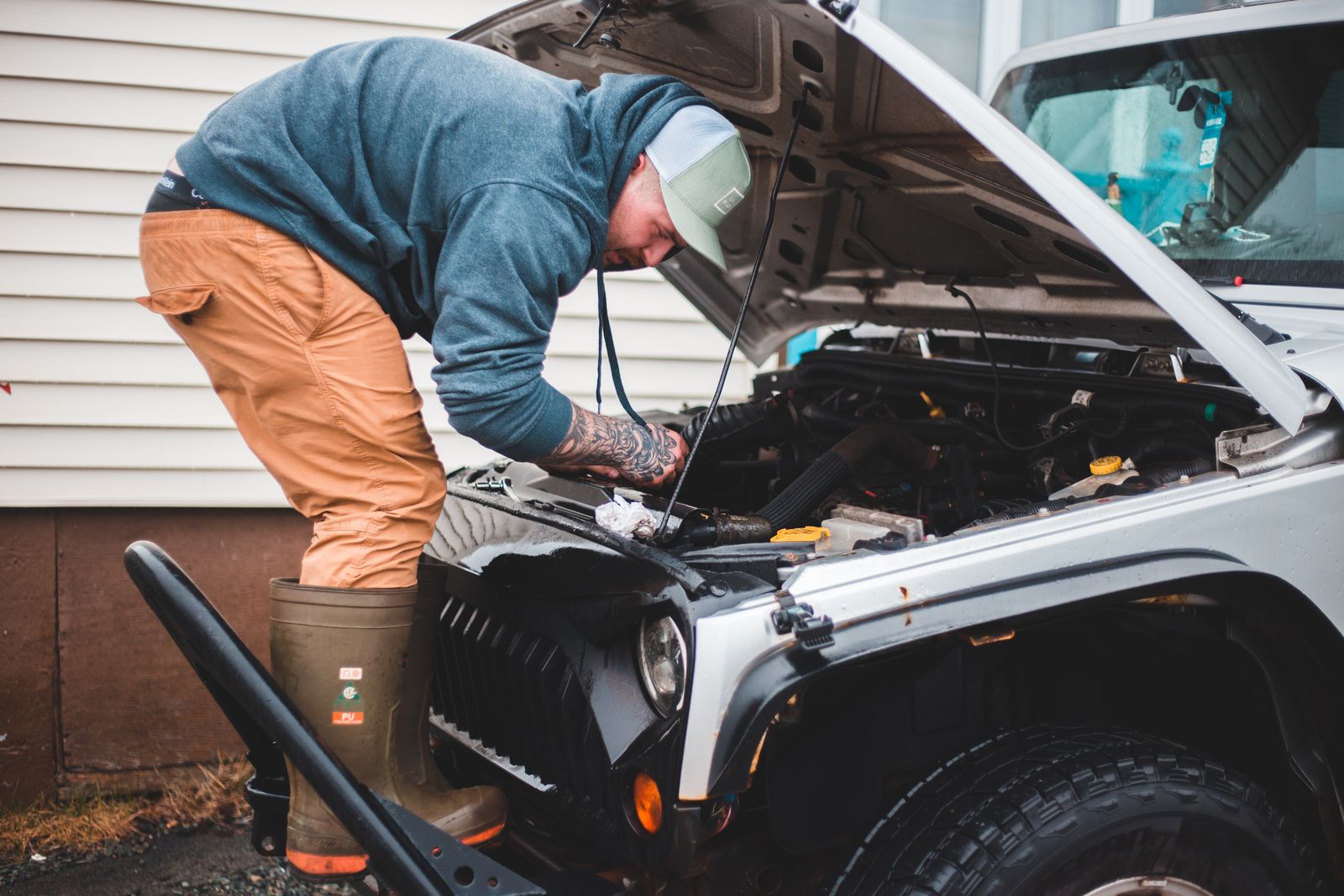
You don't have to wait for Congress to take advantage of what's already changed. If you're comfortable doing your own maintenance, the new EPA guidance gives you clearer legal footing to work on emissions-related systems yourself, and manufacturers can no longer force you into OEM-only parts for those repairs. If you use an independent shop, ask whether they're aware of the new access requirements — some may not yet know what's changed. And if you want the fuller version of right-to-repair to become permanent law rather than a memo that could be undone, the REPAIR Act and the Motor Vehicle Modernization Act are both worth a call or email to your representatives; this is one of the few issues with support across party lines.
Keep the Proof, Whoever Does the Work
Whether you take a repair to a dealer, an independent shop, or handle it yourself in the driveway, the thing that protects your car's value later is the same: a clean, documented history of what was done and when. That's exactly what Car Czar is built for — log every repair, no matter who performed it, in one place you can hand to a buyer or mechanic anytime. Start your garage for free and make sure your right to repair also comes with a right to prove it.
Sources
- Lowering the Cost of Living by Promoting the Freedom to Fix — The White House
- EPA Delivers on President's "Freedom to Fix" Memorandum for Vehicles and Equipment — U.S. EPA
- EPA Implements New "Freedom to Fix" Memorandum; Gives SEMA Greenlight to Certify Aftermarket Products — U.S. EPA
- Trump Says Ford And GM Want 'Right To Repair' Restricted — Ford Authority
- Trump Says GM And Ford Don't Want Owners Fixing Their Own Cars — Yahoo Autos
- Trump Says GM, Ford Seeking To Restrict Right To Repair — GM Authority
- Right to Equitable and Professional Auto Industry Repair Act — Fact Sheet, Auto Care Association